
ByteBot AI: A Bilingual, Accessible Coding Game for Children
Research article  Open access |
Available online on: 27 January, 2026 |
Last update: 27 January, 2026
Open access |
Available online on: 27 January, 2026 |
Last update: 27 January, 2026
Abstract-
ByteBot AI is an innovative coding game designed to empower children with physical disabilities by making STEM education fun, engaging, and inclusive. Children with physical disabilities face significant barriers in accessing STEM education, particularly in coding, due to the limited accessibility features in existing educational games. This creates a research and practice gap in inclusive digital learning tools tailored to their needs. ByteBot AI was developed as a bilingual (Arabic–English) coding game designed specifically for children with severe physical disabilities, supporting adaptive inputs such as eye tracking, switches, and head tracking. The solution combines gamification with structured learning modules to introduce coding concepts like sequences, loops, and arrays. Preliminary user testing with participants (ages 6–14) and the internal team revealed high engagement (92% completion of Level 1 tasks), improved independence in gameplay, and positive feedback from participants who observed gains in problem-solving and confidence. This paper presents the design process, user experience considerations, and localisation strategies adopted. The findings contribute to the field of accessible ICT and inclusive education by offering a scalable model for culturally and linguistically adapted assistive learning games.
Keywords- Accessible coding education; Assistive Technology; Inclusive STEM education; Gamified learning.
Introduction
In an increasingly digital world, coding has become a vital skill that empowers children to think critically, solve problems, and build future-ready careers. Across the globe, gamified learning platforms are helping young learners engage with coding concepts in fun and interactive ways. However, for many children with physical disabilities, these opportunities are often inaccessible. Standard educational games rarely include adaptive technologies, leaving children who rely on eye tracking, switches, or alternative input methods excluded from valuable STEM learning experiences [1].
Globally, digital skills are increasingly recognised as essential for future education and employment opportunities [2]. Inclusive Information and Communication Technologies (ICTs) play a vital role in bridging these educational gaps, especially for children with motor impairments who are often left out of standard coding games due to their reliance on conventional input methods like keyboards or touch screens. Furthermore, most platforms fail to account for cultural and linguistic differences, limiting access even further.
ByteBot AI addresses this research gap by providing an inclusive, bilingual coding platform for children with physical disabilities aged 6–14. The game combines adaptive accessibility features – such as eye tracking, switch scanning, and head tracking – with a user-friendly, gamified design that introduces essential coding principles, including sequences, loops, and conditional statements. Its structured modules ensure that concepts are built progressively, allowing learners to develop confidence and mastery at their own pace.
Methodology
The development of ByteBot AI followed a co-design methodology to ensure that the final product was not only technically robust but also genuinely responsive to the needs of its intended users. The process unfolded across three milestones: co-design and scoping, design sprints and iteration, and comprehensive testing.
- Co-design and Scoping
A series of testing rounds was conducted with participants. These sessions helped define both the educational requirements and the accessibility features most needed in the game. Key feedback emphasised the importance of customizable visual supports, simplified navigation pathways, and the inclusion of multiple adaptive input options (e.g., switches, eye tracking, and head tracking).
One challenge highlighted during this phase was balancing game complexity with accessibility – ensuring that learning tasks remained engaging without overwhelming users with cognitive or motor demands.
- Design Sprints and Iteration
Using rapid prototyping, the team developed interactive mock-ups and assessed them internally and with participants in short cycles. Feedback was integrated after each round, ensuring continuous refinement. For example, early beta testing revealed difficulties with small interactive targets, particularly for children using eye-tracking systems. In response, larger interactive icons and clearer visual cues were introduced. Participants also suggested step-by-step tutorials to reduce initial learning barriers, which were incorporated into later prototypes. These iteration cycles ensured that the game’s design aligned with both accessibility standards and classroom usability.
- Quality Assurance and Finalization
Comprehensive testing was carried out to evaluate both functionality and accessibility.
- Participants: Six children took part in the testing, helping ensure the design met real user needs.
- Data Collection: Data was gathered through observations, participant feedback, and iterative testing sessions. This helped identify accessibility issues, navigation problems, and how well tutorials worked.
- Data Analysis: Four rounds of testing and feedback were conducted. Feedback was reviewed and used to improve the design. Patterns in the responses guided changes, ensuring the platform was easy to use, accessible, and supported learning goals.
Accessibility and User Experience
ByteBot AI was built to support diverse accessibility needs through multiple adaptive input methods, including:
- Eye tracking
- Switch scanning
- Head tracking
- Screen taps
The game modules are structured into three main levels with nine sub-levels, each progressively introducing coding concepts such as sequencing, loops, and conditional statements. Gamification elements, visual cues, and interactive challenges make learning fun and rewarding, while a customisable settings page allows children to adjust language, audio, and visuals to suit their preferences. This ensures that children with varying abilities can learn coding concepts in an environment that is both supportive and motivating.
To evaluate usability, testing was conducted internally. Observations demonstrated how adaptive inputs enhanced accessibility and independence.
| Input | Benefit | Output |
| Eye Tracking | Enables play without hand movement | successfully completed coding sequences |
| Switch access | Allows single-tap navigation | successfully completed coding sequences |
| Head tracking | Facilitates hands-free coding play | successfully completed coding sequences |
| Screen tap | Supports traditional touch navigation | successfully completed coding sequences |
Table 1. Accessibility Inputs and Outcomes
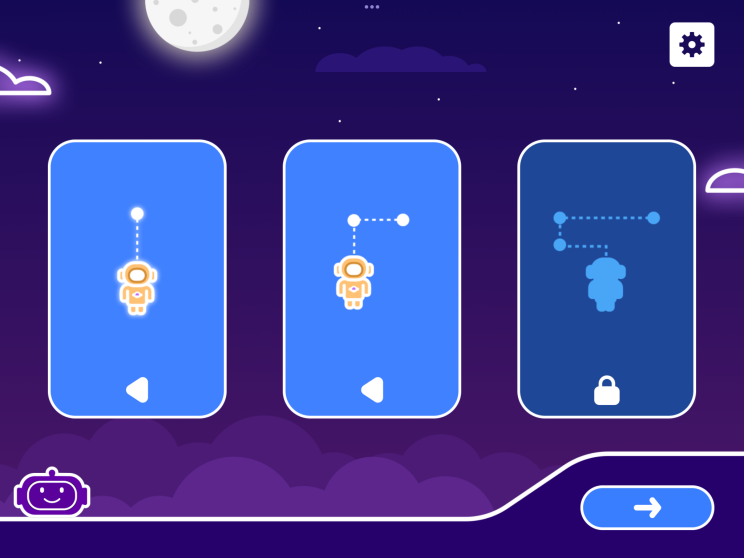
Figure 1. Activity/ Games Selection Screen
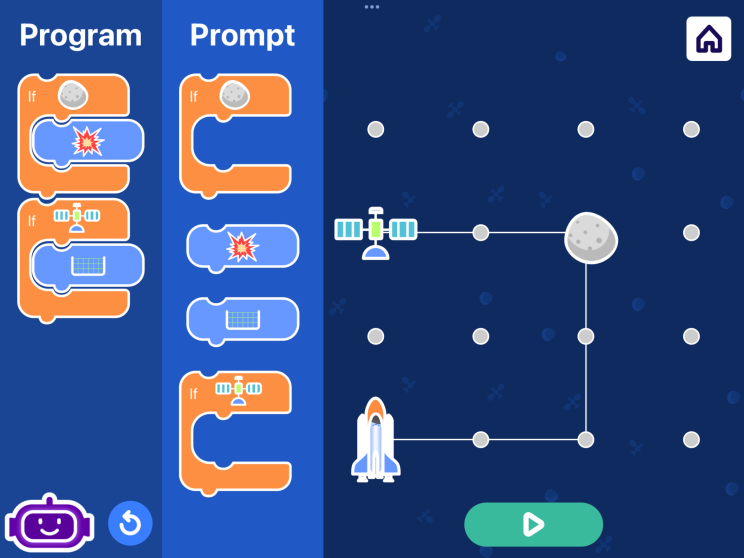
Figure 2. Gameplay screen showing the “if” conditional statement
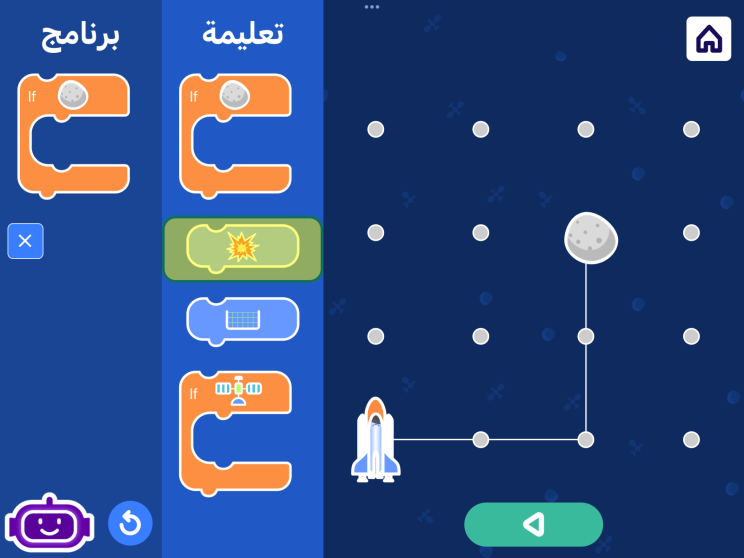
Figure 3. Arabic Game Screen with Scanning Feature
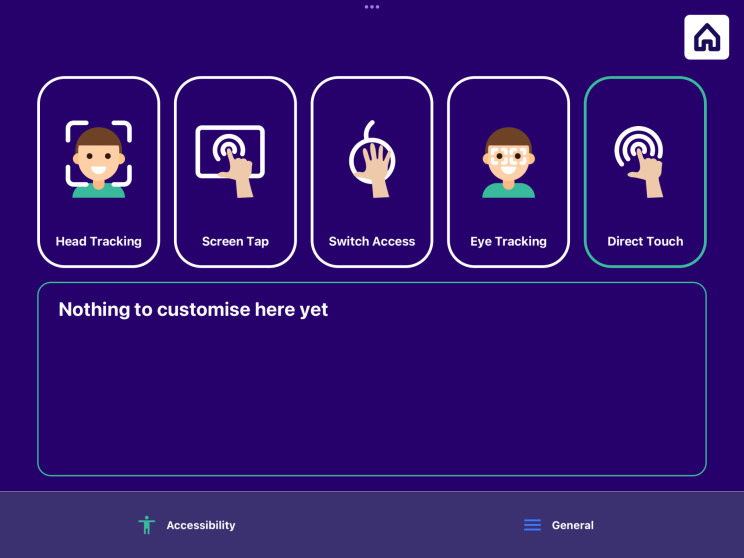
Figure 4. Settings screen
Localizing Text
A key innovation of ByteBot AI lies in its cultural and linguistic adaptation. Unlike most coding platforms that primarily use English, ByteBot AI is available in both Arabic and English, making it accessible to learners across the Gulf region.
Several concrete adaptations were implemented to ensure the platform feels familiar and engaging for Arabic-speaking children:
- Right-to-left text orientation was applied throughout the Arabic interface to align with native reading patterns.
- Language-sensitive instructions were developed, avoiding direct translations of English phrases and instead using age-appropriate Arabic expressions that resonate with young learners.
- Bilingual audio prompts allow children to hear instructions in their chosen language, supporting both independent play and classroom use.
These adaptations not only break down language barriers but also create a sense of belonging and inclusivity, which is essential for sustained engagement. Research highlights the importance of mother-tongue education in enhancing comprehension and accessibility for learners with disabilities [3]. By embedding these principles, ByteBot AI ensures that children can engage with coding concepts in a way that feels culturally relevant and linguistically accessible.
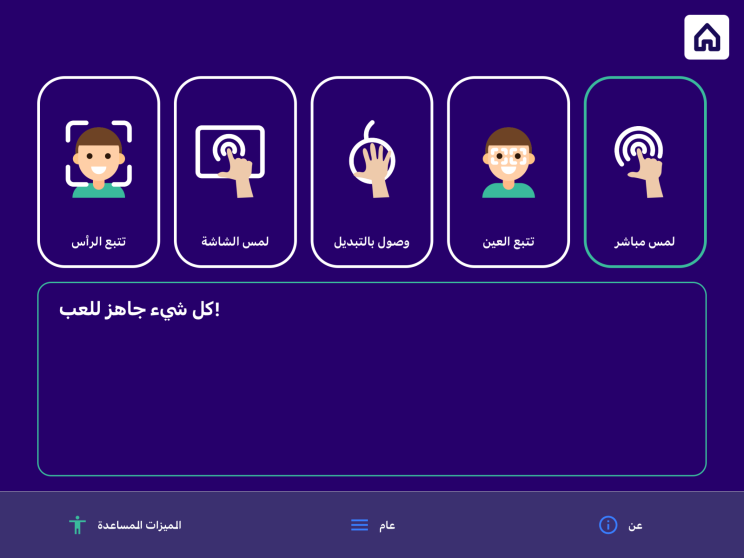
Figure 5. Settings screen 1 in Arabic
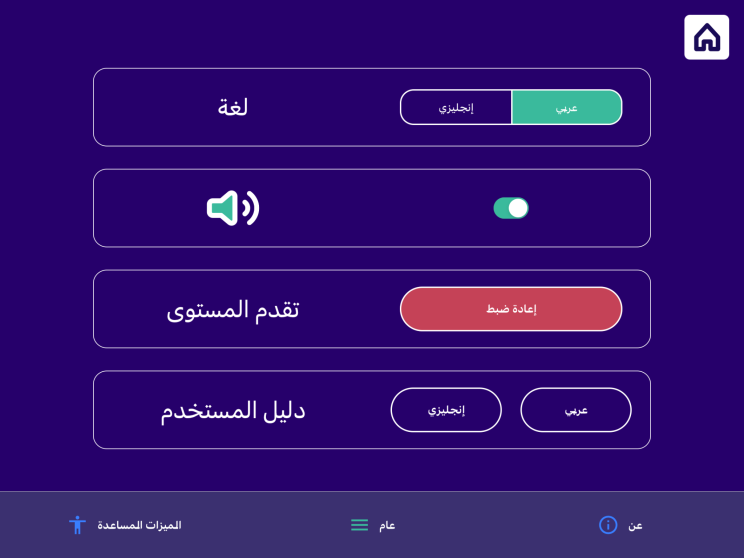
Figure 6. Settings screen 2 in Arabic
Opportunities for Future Development
The launch of ByteBot AI marks an important milestone, but the journey of innovation continues. Future opportunities include:
- Expanding coding levels to introduce more advanced concepts.
- Adding gamified features such as leaderboards and achievement badges.
- Extending platform compatibility to Android and desktop devices.
- Introducing multilingual support to reach wider communities in the region.
By continuing to grow, ByteBot AI can reach more learners, strengthen STEM education, and inspire innovation in accessibility solutions.
Conclusion
ByteBot AI represents a significant advancement in accessible ICT and inclusive education, providing children with physical disabilities the opportunity to learn essential coding skills in a supportive, engaging, and culturally relevant environment. By integrating adaptive input methods such as eye tracking, switch scanning, head tracking, and screen taps, the platform ensures accessibility for learners with diverse physical abilities.
Beyond accessibility, ByteBot AI’s bilingual design and localized content demonstrate the importance of cultural and linguistic inclusivity, enabling children in the Gulf region to engage with STEM education in their native language. Observational studies and pilot testing indicate that the platform enhances independence, engagement, and confidence, while structured gamification fosters sustained motivation to learn coding concepts progressively.
In summary, ByteBot AI not only contributes to the broader field of assistive ICT but also has the potential to make a tangible positive impact on the educational and personal development of children with disabilities in the region. By providing an inclusive, interactive, and empowering platform, ByteBot AI paves the way for future innovations that support both accessibility and STEM learning, inspiring the next generation of digitally literate and confident learners.
Acknowledgment
This project was developed as part of the Mada Innovation Program, whose support made the co-design and development process possible.
References
[1] T. Levinson, L. Hunt, and Z. R. Hassenfeld, ‘Including Students With Disabilities in the Coding Classroom’, Teach. Comput. Think. Coding Young Child., 2021, doi: 10.4018/978-1-7998-7308-2.ch012.
[2] A. Weber and S. Greiff, ‘ICT Skills in the Deployment of 21st Century Skills: A (Cognitive) Developmental Perspective through Early Childhood’, Appl. Sci., 2023, doi: 10.3390/app13074615.
[3] F. Walizadah, ‘The Role of Mother Tongue in Education’, J. Learn. Dev. Stud., vol. 5, no. 1, pp. 40–48, Apr. 2025, doi: 10.32996/jlds.2025.5.1.5.