
A Case Study on Key2enable’s Literacy Lab – Using Assistive Technology as a Transitional Tool for Inclusive Education
Research article  Open access |
Available online on: 27 January, 2026 |
Last update: 27 January, 2026
Open access |
Available online on: 27 January, 2026 |
Last update: 27 January, 2026
Abstract
This case study examines the transformative impact of Key2Enable’s Literacy Lab in promoting inclusive education through the utilization of assistive technology. Implemented over four months with fifty students with disabilities in the UAE, the Literacy Lab demonstrated remarkable improvements in student attendance, academic performance, communication skills, and social-emotional development. The intervention integrated Key2Enable’s Assistive Technology, family engagement strategies, and multisensory digital learning activities to bridge educational gaps. By June, over 90% of students consistently attended sessions and showed significant gains in literacy and comprehension. The program’s human-centered approach—emphasizing student-led independent learning, peer learning, and emotional expression—offers a compelling model for inclusive education in the Arab region and beyond.
Keywords: Inclusive education, assistive technology, Literacy Lab, Key2enable, special education, accessibility, digital inclusion, parental engagement, multisensory learning
Introduction
In today’s evolving educational landscape, inclusive technology has become a vital enabler for equitable learning, especially for students with disabilities. Globally—and increasingly within the Arab region—there is a growing recognition that education must be designed to accommodate learner diversity, not expect learners to adapt to rigid systems. Assistive technology plays a pivotal role in bridging this gap, offering students with intellectual and physical disabilities the tools to communicate, participate, and thrive.
In the United Arab Emirates, this shift toward inclusive innovation aligns with the country’s National Policy for Empowering People of Determination and the UAE’s Inclusive Education Framework (2017), which seeks to ensure that all learners have access to quality education in mainstream as well as inclusive educational settings. Under the directives of His Highness Sheikh Mohammed bin Rashid Al Maktoum, and through legislation such as Federal Law No. 29 of 2006 on the Rights of People of Determination, the UAE has laid a strong legal and ethical foundation for inclusive education.
This commitment is further reflected in the implementation of two fully operational Literacy Labs in Abu Dhabi, located within the Zayed Higher Organization for People of Determination (ZHO). As part of a strategic partnership with Key2enable, these Labs serve as pioneering centers for accessible education, where assistive tools like the Key-X device and the Expressia platform enable students to engage meaningfully in literacy, communication, and emotional development.
The initiative is not only well-resourced but also actively supported, monitored, and quality-assured by the Abu Dhabi Government and ZHO leadership. Regular assessments, progress tracking, and institutional support mechanisms ensure that the Labs are aligned with national goals and deliver measurable impact.
This case study examines the outcomes of the Literacy Lab model over four months, evaluating the impact of integrating inclusive technologies, multisensory instruction, and family engagement on student progress across academic, behavioral, and social domains. By comparing pre- and post-intervention data, this study demonstrates how inclusive education—when anchored in the right tools, vision, and community—can drive meaningful transformation in the lives of students with disabilities.
The Lab also provides comprehensive pre-employment and employability training for students with physical and motor disabilities. The curriculum includes practical instruction on using key government digital services—specifically the ICP Platform and TAMM Portal—to perform essential tasks such as updating their Emirates ID and accessing other UAE e-government services.
A critical component of this training is the deployment of our proprietary adaptive technology, the Key-X alternative keyboard. This tool is instrumental in enabling students with strong intellectual capacity but significant physical limitations to use computers effectively, navigate the internet, and achieve digital literacy.
While this initiative is currently demonstrating significant positive outcomes, a formal longitudinal study is planned for a subsequent phase. This future research will adopt a multi-domain framework to assess the journey of the students, their parents, and caregivers, measuring the program’s long-term impact quantitatively and qualitatively on independence, employability, and quality of life.
The Literacy Lab is more than just a classroom, it represents a transitional ecosystem that continuously connects research, technology, and community to support the evolving needs of students with disabilities. It offers a scalable and culturally grounded model for inclusive education, reflecting the UAE’s vision of a barrier-free, knowledge-driven society where every learner has the tools to succeed.
In doing so, it exemplifies how evidence-based innovation can be transformed into real-world impact—where inclusive design, lived experience, and digital solutions converge to remove barriers and unlock human potential.
Literature Review
Inclusive education has evolved from a conceptual ideal to an actionable framework that requires systemic change in pedagogy, policy, and technology. At its core, inclusive education advocates for the right of every learner—regardless of physical, cognitive, or sensory disabilities—to access meaningful, equitable learning opportunities within mainstream settings (UNESCO, 2023). This philosophy challenges traditional segregated models and calls for educational environments that are flexible, responsive, and accessible.
Central to the success of inclusive education is the integration of assistive technology (AT), which catalyzes overcoming barriers posed by disabilities. Assistive technologies encompass a broad range of devices and software designed to support communication, mobility, learning, and independence. For students with physical disabilities, tools such as switch-accessible keyboards and eye-tracking devices enable interaction with digital content that would otherwise be inaccessible (Alnahdi, 2014). For those with intellectual or communication impairments, augmentative and alternative communication (AAC) systems facilitate expressive and receptive language development, which are essential for academic and social participation (Beukelman & Light, 2020).
The Universal Design for Learning (UDL) framework, proposed by CAST (2018), provides foundational principles for designing flexible learning environments that accommodate learner variability. UDL emphasizes multiple means of representation, expression, and engagement, which align closely with the multisensory and personalized approaches used in assistive technology interventions. Research shows that incorporating UDL and AT can significantly improve literacy outcomes among learners with disabilities by providing alternative pathways to access curriculum content and demonstrating knowledge (Troshina et al., 2021).
In the context of the MENA region, however, the implementation of inclusive education faces unique challenges. These include limited availability of culturally and linguistically relevant AT, insufficient teacher training, and social stigma surrounding disabilities (United Nations Educational, Scientific and Cultural Organization (UNESCO), 2023). Additionally, many mainstream schools lack the infrastructural support necessary for the effective deployment of AT solutions. Despite these barriers, recent policy advancements in countries like the UAE signal a strong commitment to inclusion. The UAE’s National Policy for Empowering People of Determination (2017) and Federal Law No. 29 (2006) articulate clear mandates for educational access and the use of modern technologies to support learners with disabilities. These frameworks create enabling environments for programs such as Key2Enable’s Literacy Lab to thrive.
Empirical studies corroborate the positive effects of AT-driven literacy interventions. For instance, learners using switch-accessible keyboards coupled with symbol-supported software demonstrated improved engagement, motivation, and academic achievement compared to traditional methods (Schaefer & Andzik, 2016). Peer tutoring and self-advocacy—two key elements integrated into the Literacy Lab—are also well-documented as effective strategies in special education. Peer-assisted learning encourages social inclusion and reinforces skill acquisition through collaborative interaction, while self-advocacy empowers students to take ownership of their educational journeys (Makoelle, 2016).
Furthermore, family involvement is critical to reinforcing learning gains. Studies indicate that regular communication between educators and families, supported by digital platforms like WhatsApp or video sharing, strengthens home-based practice and promotes consistency in intervention (Jigyel et al., 2018). This aligns with the parental engagement model used in the Literacy Lab, which saw a progressive increase in involvement over the four months.
The multisensory learning activities incorporated in the Literacy Lab—such as sand tracing, songs, and visual emotion boards—reflect research emphasizing the importance of engaging multiple senses to enhance memory, comprehension, and motivation in learners with disabilities (Rahmatullah, 2024). Such approaches are particularly effective for students with intellectual disabilities who benefit from concrete, experiential learning.
Collectively, the literature underscores that inclusive education is most successful when it integrates assistive technology, culturally responsive pedagogy, family involvement, and community support within a framework of continuous monitoring and adaptation. The Literacy Lab represents a synthesis of these best practices, localized to the UAE context, and thus contributes important insights into how research-driven innovation can be translated into meaningful, scalable community impact.
Scope of the Study
This case study examines the measurable differences in student performance, engagement, and developmental outcomes before and after the implementation of Key2Enable’s Literacy Lab. Over four months, fifty students with intellectual, motor, and physical limitations were observed at the Zayed Higher Organization, Centre for Rehabilitation & Care, Abu Dhabi, UAE.
The scope of the work includes:
- Pre- and post-assessment of literacy and comprehension skills
- Changes in attendance and classroom engagement in students
- Socio-emotional development tracked through visual tools.
- Levels of parental involvement before and after structured engagement strategies
- The impact of Key-X and Expressia as core assistive technology tools in enabling student participation and communication in an inclusive learning space.
- Determining themes for a qualitative study using Key informant interviews and unstructured interviews with parents. Classroom observations and video-recorded observations, specialists’ logs. etc.
Methodology
The Literacy Lab case study was implemented over four months with a cohort of fifty students with disabilities in the UAE. Participants were selected in collaboration with partner schools to ensure a diverse representation of learning needs, including physical, intellectual, and communication-related disabilities.
The Literacy Lab integrated the following strategies:
- Assistive technology tools (Key-X and Expressia) to support digital access and literacy development.
- Multisensory learning activities to strengthen comprehension and engagement.
- Family engagement strategies encouraged active participation from parents and caregivers.
Data collection
Multiple sources of data were gathered to capture both academic and behavioral outcomes:
- Attendance tracking,
- Academic progress monitoring (literacy and comprehension assessments),
- Observation of communication and social-emotional interactions, and
- Feedback, Observations, and Logs from teachers, families, and students’ performance reports.
This mixed-methods approach combined quantitative indicators (attendance rates, literacy scores) with qualitative insights (observed behaviors, participant testimonies, specialist logs).
Participants
The study involved 50 students aged 6–18+ years with various intellectual and physical disabilities enrolled in Zayed Higher organization, Centre for rehabilitation and care in Abu Dhabi, UAE. Students came from diverse learning backgrounds and levels of support . Educators, therapists, and families were also involved as stakeholders in the intervention.
Study Design
The study followed a three-phase design:
- Pre-test phase (Baseline, March): Initial academic assessments, attendance logs, and behavioral observations were conducted at the onset of the Literacy Lab implementation.
- Intervention phase (March–June): Over four months, students participated in Literacy Lab programming that integrated Key2Enable’s assistive technology tools with a multisensory teaching curriculum.
- Post-test phase (Final month): Follow-up assessments, attendance tracking, and behavioral observations were completed, alongside family interviews to gather feedback and measure outcomes.
Instruments Used
At the core of the Literacy Lab’s assistive technology ecosystem were Key-X and Expressia—two innovative tools developed by Key2enable and designed to be accessible for students with a wide range of physical and cognitive disabilities. These tools served as the nucleus of all instructional activities, enabling inclusive participation, communication, and personalized learning.
- Key-X: A multifunctional, switch-accessible keyboard device designed for students with motor challenges. It allowed users to interact with digital content through touch, switches, or external input methods. In the Literacy Lab, students used Key-X for typing, selecting answers, controlling learning apps, and engaging in writing tasks independently.
- Expressia: A customizable, symbol-supported communication and learning platform. Expressia was used to design interactive lessons, create personalized communication boards, and deliver story-based comprehension activities. Its visual, auditory, and tactile features helped bridge communication gaps and support expressive language development.
These core tools were supported by:
- Self-advocacy exercises through Expressia to encourage independent learning.
- Emotion boards for daily social-emotional check-ins
- Using stickers and rewards for positive reinforcement
- Visual schedules and AAC support for task organization
- Multisensory materials (e.g., sand tracing trays, phonics cards, and songs) to reinforce literacy and numeracy.
- Interview methods, observation logs by specialists, interactive dashboards, and communications for bi-weekly check-ins with parents and teachers.
Data Analysis
Quantitative data were analyzed using graphical and percentage comparisons of pre- and post-test scores, along with attendance trends. Qualitative data – including video observations, teacher notes, and parent feedback, were thematically coded to identify patterns in student behavior, communication, and emotional growth. The analysis specifically compared academic performance, attendance rates, and parental engagement before and after the Literacy Lab intervention, with additional attention to story-based assessment outcomes and aggregate class performance in literacy and cognitive skills.
Results
The outcomes of the Literacy Lab were captured through both quantitative measures and qualitative observations, providing a holistic view of its impact. From March to June, the four-month Literacy Lab intervention yielded measurable improvements in student learning and engagement.
Quantitative Results
Between March and June, students demonstrated measurable progress across multiple domains:
- Visible Improvement in Academic Performance and Average Class Performance in terms of Literacy and Cognitive Skills, measured by monthly assessments and progress reports.
- Improved story comprehension skills, measured through story-based and text-recognition assessments.
- Enhanced attendance in classrooms, including greater confidence in self-expression.
- Positive parental engagement, observed through parent-teacher collaboration, more awareness, and more active engagement during group communications.
Teachers also reported reduced dependency on individualized support and greater integration of students into classroom activities.
Observations in Academic Performance:
The distribution of student assessment scores showed substantial improvement from March (Pre-Intervention) to June (Post Intervention) as depicted in Figure 1. In March, most students (90%) scored below 70%. Only 10% of students achieved a score of 70% or higher.
In April, performance improved significantly. The proportion of students scoring below 70% fell to 20%, while 60% of students scored in the 70-89% range. A further 20% of students scored in the 90-100% range.
From May onwards, performance stabilized at a high level. In both May and June, approximately 75% of students scored in the 90-100% range. The remaining students were primarily in the 70-89% range, with only a small minority (4-5%) scoring below 70%.
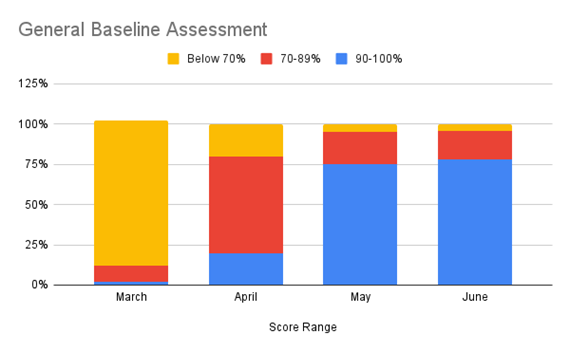
Figure 1: Data showing the cumulative academic performance of students.
Observation in Attendance Rates
Attendance increased significantly over the four months.
- Baseline average (Pre-Lab): Approximately 65%
- Final average (Post-Lab): Over 90%
This improvement reflects not only stronger student engagement but also heightened family involvement in supporting consistent participation.
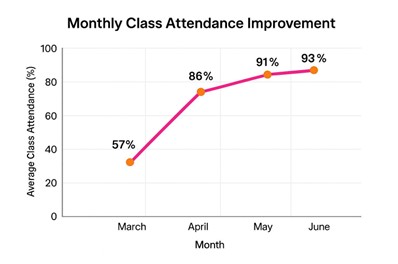
Figure 2: Data showing the Average Class Attendance Percentage
Story Comprehension Outcomes (Post-Test)
Post-test assessments revealed three distinct performance bands:
- Proficient & Above (43%): Nearly half the class demonstrated mastery of story comprehension, achieving scores above 90%.
- Proficient with Support (36%): Over one-third of students were close to mastery, requiring only minimal support to reach the highest proficiency level.
- Needs Assistance (21%): A smaller group scored below 70%, highlighting the need for targeted instructional interventions.
Key Ratio: 79% (43% + 36%) of the class is performing at or near the target proficiency level (70%+). This is a positive outcome, showing the instruction was effective for the majority.
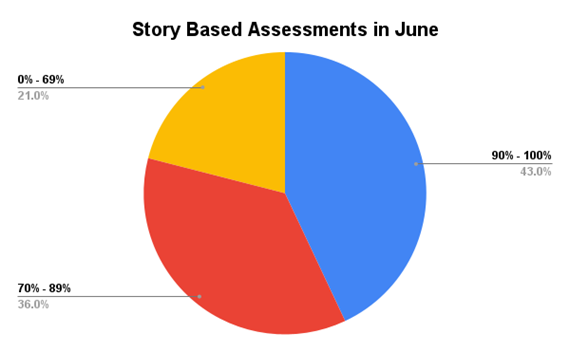
Figure 3: Data showing the results of story-based assessments.
Observation in Parental Engagement
- Pre-intervention: Before March, Parents were hardly involved with the teachers and their child’s learning journey, but it began with a big leap of 50% in engagement in March.
- Post-intervention: 90% of parents were actively engaged through WhatsApp, at-home reinforcement, and video feedback loops.
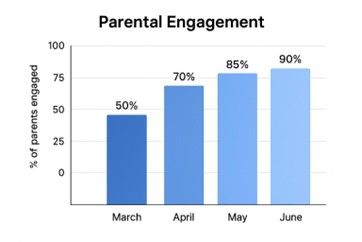
Figure 4: Data showing the progress of parental engagement from March to June
Observations in Literacy & Cognitive Skills
Assessment data from March to June indicated notable gains across literacy and cognitive domains:
- Strong overall progress: The class average increased by 58.2%, reaching a final mean score of 87%.
- Top-performing skill: Numbers learned achieved the highest mastery level, with 93% proficiency.
- Most improved skill: Story comprehension showed the greatest growth, with an 87% increase, reflecting the effectiveness of instructional strategies in this area.
- Area requiring focus: Colors identified emerged as a statistical outlier, with the lowest final mastery (79%) and the smallest growth (27.4%), falling short of the 90% target. This suggests a need for further analysis and targeted intervention.
- Learning trajectory: The observed slowing growth rate is consistent with the transition from rapid acquisition to mastery and consolidation of knowledge.
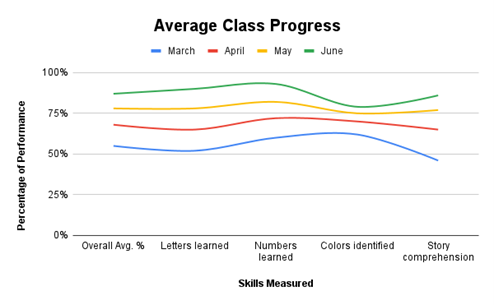
Figure 5: Data Showing Average Class Progress from March-June
Qualitative Analysis
Thematic coding of qualitative data revealed four major themes:
- Technology as a Bridge – highlighting the role of assistive tools in enabling access and participation.
- Empowering the Role of the Teacher – emphasizing how the intervention enhanced teacher capacity and instructional practices.
- Socio-Emotional Well-Being – reflecting improvements in student confidence, communication, and emotional growth.
- Inclusive Learning – demonstrating the creation of more equitable and supportive classroom environments.
| Theme | Definition | Supporting Evidence |
| Technology as a Bridge | Assistive technology enabled smoother learning and established meaningful interactions between students who once limited their circle and interactions only to their teachers, parents/caregivers, and therapists. | Teacher feedback, device usage logs, Classroom Interactions of the Students, and Parental Feedback. |
| Socio Emotional Well Being | Students were more intrinsically motivated to join the classrooms because they got the opportunity to engage in a circle with their peers, which was previously limited only to their Parents/Caregivers, Siblings, Special Educators, Teachers, and Therapists | Observed through the expression of daily socio-emotional well-being through mood boards. |
| Empowering the role of the Teacher | Training impact on the facilitators and watching their much-needed transition from traditional teaching methods to digital methods, bridging the technological gap for students with disabilities. | Teacher reflections and post-training notes. |
| Inclusive Learning | Social and academic participation gains, along with ongoing pre-employability and employability training for students with diverse needs. | Classroom Observation Notes and Class Interactions |
Table 1. Summary of Themes and Supporting Evidence
5. Discussion
The Literacy Lab demonstrates how assistive technology, when paired with community engagement and inclusive pedagogy, can revolutionize learning for students with disabilities. Improvements in attendance and academic scores illustrate how meaningful content delivery, when combined with family support and emotional engagement, creates a measurable impact. Self-advocacy practices such as voice recordings empowered students to own their learning, while peer tutoring fostered mutual respect and cooperation.
This case study reinforces the importance of co-designing educational interventions that respect local cultural values, involve families, and adapt technology for real-life classroom applications. It also illustrates the practicality of inclusion: children with disabilities not only learn better but thrive when given accessible tools and empathetic environments.
Quotes from parents, students, or teachers:
“We cannot express how grateful we are for what the Literacy Lab and the Key-X device have brought into Mohamed’s life. For months, we watched him try so hard to communicate and learn like other children. This week, when he received his own Key-X, it felt like a dream come true—not just for him, but for us as a family. We have seen him practicing every day at home, getting more confident with each step. When the company gifted him the device, I could not hold back my tears. It was the first time we truly felt seen, supported, and hopeful for his future. This is more than technology, it is a bridge to dignity, inclusion, and opportunity. I hope every parent gets to witness their child feeling this proud and empowered one day.”
— Mohamed’s Mother
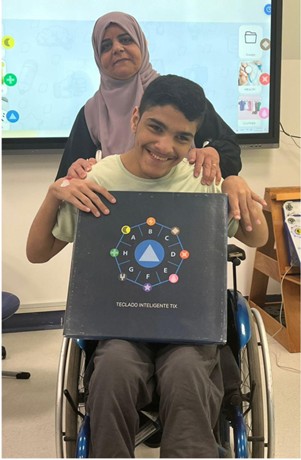
Figure 6: Mohamed and His Mother receiving his own Key-X
Over the past four months, I have witnessed incredible growth in our students—academically, socially, and emotionally. The Literacy Lab has created an environment where every child feels seen, supported, and capable. Tools like Key-X and Expressia have given our students the ability to communicate, participate, and most importantly, believe in themselves. Students who once struggled to engage are now raising their hands, helping their peers, and celebrating their progress with pride. The difference is not just in their scores, it is in their smiles, their confidence, and the way they walk into class every day with excitement. As a teacher, I’ve never been more certain that inclusive education, when done with the right tools and heart, can truly transform lives.”
— Amna Dhafer Rasheid Al Ketbi, Special Educator- Zayed Higher Organization.
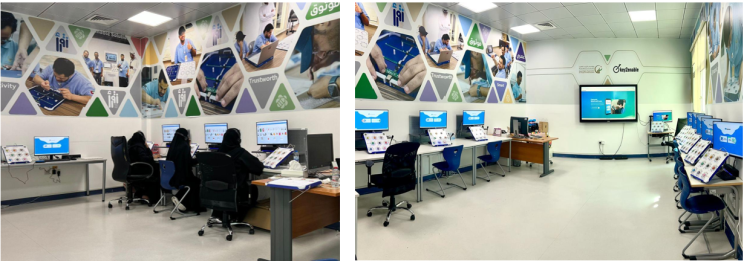 Figure 7 & 8. The First Literacy Lab at Zayed Higher Organization, Al Mafraq, Abu Dhabi, UAE
Limitations and Future Work
While this case study provides valuable insights into the impact of Key2enable’s Literacy Lab over four months, there are certain limitations that should be acknowledged. The sample size of fifty students, though sufficient for preliminary analysis, limits the generalizability of the findings across diverse educational contexts and disability profiles. Additionally, the relatively short duration of the study constrains the ability to assess long-term outcomes such as sustained academic achievement, social integration, and post-educational independence.
Furthermore, this study focused primarily on quantitative attendance and academic assessments, complemented by qualitative observations; however, more in-depth longitudinal tracking and controlled comparative studies could provide stronger evidence of causality and scalability.
Recognizing these limitations, Key2enable is actively engaged in expanding the scope and reach of the Literacy Lab model. We are currently in discussions to establish additional Literacy Labs in Abu Dhabi, aiming to increase our sample size and diversify student profiles. We have successfully launched a fully operational Literacy Lab in Dubai, further extending access within the UAE.
Beyond national borders, our vision for inclusive education is gaining momentum internationally. We have expanded our Literacy Lab initiatives to Spain, where plans are underway to open multiple Labs that adapt the model to European educational settings. Recently, we also initiated the rollout of the Literacy Lab in India, a critical step toward reaching underserved populations in a vastly diverse learning landscape.
These expansions will provide richer data and more comprehensive evidence to refine the Literacy Lab’s methodologies, technologies, and community engagement strategies. Our future work will focus on longitudinal impact assessments, integration of emerging assistive technologies, and collaboration with local governments and educational institutions to ensure cultural relevance and sustainability.
Through continuous innovation and strategic partnerships, Key2enable aims to contribute robustly to the global movement toward inclusive, accessible, and empowering education for all learners.
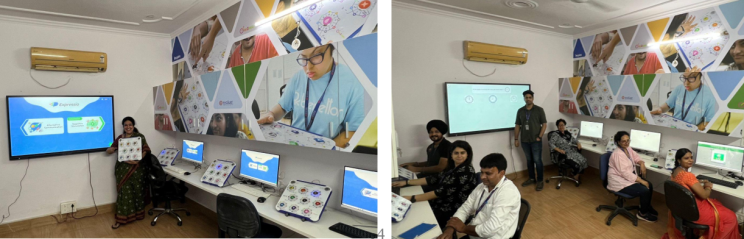 Figure 9 & 10. Key2enable’s first Literacy Lab with Evoluer Solutions in New Delhi, India
Policy Implications and Recommendations
The outcome of this case study underscores the urgent need for strategic policy interventions and dedicated funding mechanisms to support inclusive education through assistive technology across the MENA region. As governments increasingly prioritize knowledge economies and equity in education, targeted investments in inclusive ed-tech solutions are not only timely but essential.
- Establish Dedicated Inclusive Ed-Tech Funds: Governments and regional development agencies should create specialized funding streams to support the research, implementation, and scaling of assistive technology in special education settings. These funds should prioritize innovations that promote Universal Design for Learning (UDL), augmentative and alternative communication (AAC), and locally adapted solutions.
- Embed AT Procurement into Public Education Budgets: Assistive technology must be treated as a core educational tool—not as an add-on. Ministries of Education should integrate AT procurement into annual school budgets, ensuring that every student with a disability has access to the tools necessary for meaningful participation.
- Incentivize Public–Private Partnerships (PPPs): Models like Key2enable’s Literacy Lab demonstrate the value of collaboration between educational institutions, government bodies, and innovation-driven organizations. Policymakers should offer incentives for such partnerships through grants, tax breaks, or co-investment schemes that foster scalable, region-specific solutions.
- Mandate Inclusive Design in National Curricula and Ed-Tech Initiatives: Inclusive education must be embedded within national learning platforms and digital strategies. Regional ed-tech frameworks should require all new platforms, content, and devices to follow accessibility standards, ensuring that no learner is excluded by design.
- Support Capacity Building and Teacher Training: For assistive technology to be effectively used, educators must be trained in both the pedagogical and technical aspects of inclusion. Funding should be allocated to professional development programs that build inclusive teaching competencies and familiarity with AT tools such as Key-X and Expressia.
- Promote Evidence-Based Pilot Programs with National Rollout Potential: Governments should invest in pilot programs that are research-backed and impact-oriented, such as the Literacy Lab, with a view to scaling them based on data. These initiatives should include robust monitoring and evaluation frameworks to guide policy refinement and nationwide implementation.
- Regional Collaboration and Knowledge Exchange: The successes of the Literacy Labs in the UAE, and their expansion to Spain and India, demonstrate the power of cross-border learning. Policymakers in Doha, Riyadh, Amman, and other cities should engage in collaborative platforms to exchange data, strategies, and technology blueprints for inclusive education.
Conclusion
This case study reinforces that inclusive education is not a fixed destination, but a dynamic cycle of growth, adaptation, and empowerment. Over four months, the Literacy Lab has proven its ability to translate assistive technology into measurable progress—elevating students’ academic performance, emotional well-being, and self-expression.
The Lab creates a learning environment that is flexible, dignified, and deeply human by placing tools like Key-X and Expressia at the heart of instruction, and by fostering deep collaboration between educators, families, and students. It responds to each learner’s individuality while promoting shared success.
More than a program, the Literacy Lab is a living model of inclusion in motion—where research meets community, where policy becomes practice, and where possibility becomes progress. It stands as an example of how thoughtful design and inclusive technology can reshape education not just for some, but for all.
References
- Alnahdi, G. (2014). Assistive technology in special education and the universal design for learning. Turkish Online Journal of Educational Technology-TOJET, 13(2), 18–23.
- Beukelman, D., & Light, J. (2020). Augmentative and alternative communication: Supporting children and adults with complex communication needs.
- (2018). Universal Design for Learning Guidelines. http://www.cast.org/udl
- Jigyel, K., Miller, J. A., Mavropoulou, S., & Berman, J. (2018). Parental communication and collaboration in schools with special educational needs (SEN) programmes in Bhutan. International Journal of Inclusive Education, 22(12), 1288–1305.
- Makoelle, T. (2016). Peer tutoring as a mentoring tool for inclusive learning. In M. van der Merwe (Ed.), Inclusive Teaching in South Africa (1st ed., pp. 79–88). African Sun Media; JSTOR. https://doi.org/10.2307/j.ctv1nzfxs4.14
- Rahmatullah, I. (2024). Application of Gamification-Based Multisensory Methods in Improving the Brain Ability of Children with Intellectual Disabilities in Learning English Vocabulary. East Asian Journal of Multidisciplinary Research, 3(9), 4065–4084. https://doi.org/10.55927/eajmr.v3i9.10767
- Schaefer, J. M., & Andzik, N. R. (2016). Switch on the learning: Teaching students with significant disabilities to use switches. Teaching Exceptional Children, 48(4), 204–212.
- Troshina, E. P., Baraboshkina, E. A., & Mantulenko, V. V. (2021). USING DIGITAL TECHNOLOGIES IN INCLUSIVE EDUCATION. Science and School, 133–142. https://doi.org/10.31862/1819-463X-2021-1-133-142
- United Nations Educational, Scientific and Cultural Organization (UNESCO). (2023). Securing the universal right to education in the Arab States through INCLUSIVE, EQUITABLE, SAFE, AND HEALTHY SCHOOLS. https://www.unesco.org/sites/default/files/medias/fic